
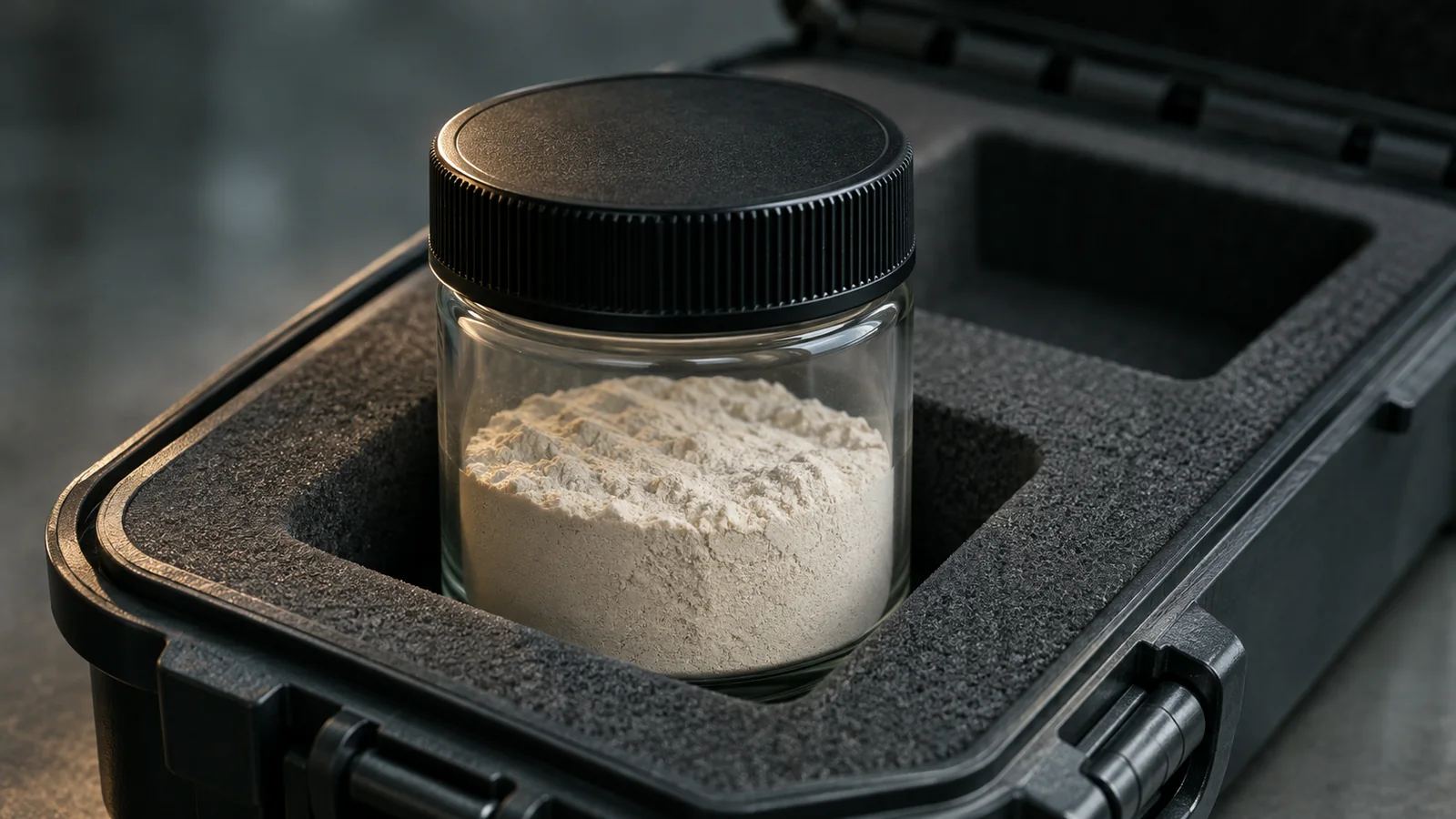
Two addresses explain the deal between Australia’s Viridis and Solvay. In Poços de Caldas, in Brazil’s Minas Gerais state, the Colossus project plans to extract rare earths from ionic clays and make a refined mixed carbonate. In La Rochelle, on the French Atlantic coast, Solvay plans to separate and purify that material into high-purity oxides for the permanent magnet supply chain. The contract establishes where the Brazilian product will go. How much value each stage will generate in each country remains undisclosed. Viridis ASX filing · Solvay
In an interview published by Folha de S.Paulo on November 27, Viridis CEO Rafael Moreno argued that Brazil should invest more to seize the rare earth opportunity. He also said the contract requires separation technology to be brought to Brazil. The scope of that obligation remains an open question. Folha de S.Paulo
A buyer is under contract. Debt financing was still in talks
On November 5, Viridis told the Australian Securities Exchange that it had signed a binding offtake agreement for Colossus output with Rhodia Operations SAS, part of the Solvay group. The initial term runs from the targeted start of production in 2028 through the end of 2034. Viridis puts minimum volumes at about 70% of projected mixed carbonate production over that initial term. Solvay has a right of first offer on projected volumes above its minimum commitments and can choose whether to buy them. Viridis ASX filing
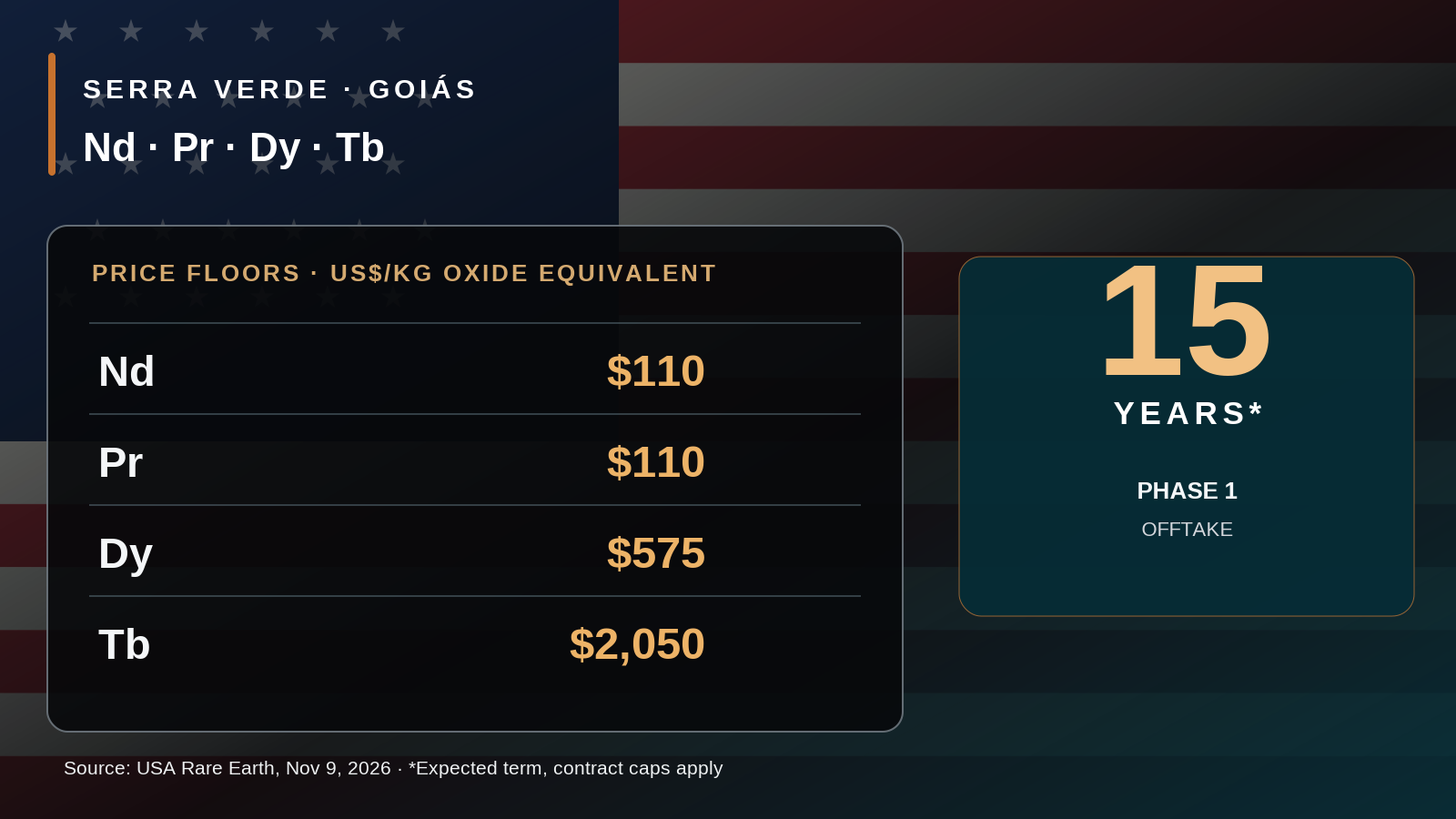
Viridis calculates about US$915 million in minimum contractual revenue from 2029 through 2034, subject to delivery of the contracted volumes. That figure reflects price floors and the share of contained value payable for neodymium, praseodymium, dysprosium and terbium. The contract also pays for samarium, yttrium and gadolinium, which are excluded from the floor-based calculation. Detailed pricing formulas remain confidential. Viridis ASX filing
Committed volumes and price floors give lenders a firmer basis for estimating the cash that could service debt. The feasibility study puts Colossus development costs at US$449 million, with about US$314 million in debt under the indicative funding plan. In its November 23 update, Viridis said it was still working to finalize senior debt financing and that its application for an installation license was under review. The company continues to target first production in 2028. Viridis funding update · Colossus project update
What technology would reach Minas Gerais?
The exchange filing and Solvay’s own release describe a separate licensing and technical services agreement that the public documents still refer to as contemplated. Its stated purpose is to make a higher-value refined mixed carbonate in Brazil. The product still contains several elements in a single material. Solvay names La Rochelle as the destination and the site where it plans to make individual high-purity oxides. The full contract and the clauses that would detail the obligation Moreno described were unavailable in the public documents reviewed. Viridis ASX filing · Solvay · Folha de S.Paulo
The difference has commercial consequences. Refining the carbonate can raise Viridis’s revenue if it increases the share of the contained elements’ value reflected in the sale price. Separation allows Solvay to sell oxides that meet industrial customers’ specifications. Solvay could earn additional revenue at that stage and would incur the processing costs in France. The public record gives too little pricing and cost detail to calculate either side’s margins. Viridis ASX filing · Solvay
How much value stays in Brazil?
Brazilian capital is already committed. Development bank BNDES approved R$77.5 million for metallurgical research and pilot carbonate production in Poços de Caldas. On November 16, Viridis announced that it had received a second US$5 million installment under a US$30 million agreement with ORE and Régia, tied to a fund backed by Vale and BNDESPAR. The BNDES loan supports local technical capabilities. The fund received Viridis shares in exchange for its investment. Viridis funding update · BNDES
Any estimate of the value retained in Brazil would have to account for local wages and procurement, public revenue, investor returns and the value created by each chemical processing stage built in the country. Measuring progress beyond carbonate would require details about a Brazilian separation plant’s scale, budget and timeline, along with technology rights and buyers for its oxides. Brazil’s mineral technology center, CETEM, is already developing domestic separation and refining processes through MagBras, a permanent magnet supply chain demonstration project. Commercial operations would require turning that technical capability into sustained production and sales. Viridis ASX filing · CETEM
The Solvay deal answers a question lenders ask before financing a mine. Who will buy what Poços de Caldas produces? Brazil’s industrial ambitions hinge on the next question. Who will buy oxides separated in Minas Gerais if the country builds the capacity to make them?